Eric Gandler Clifton Park: Understanding Arc Flash Hazards in Commercial Buildings. Electrical safety is an important consideration for every commercial and industrial property. While most business owners understand the dangers of electrical shock, there’s another hazard associated with certain electrical equipment that deserves attention: arc flash.
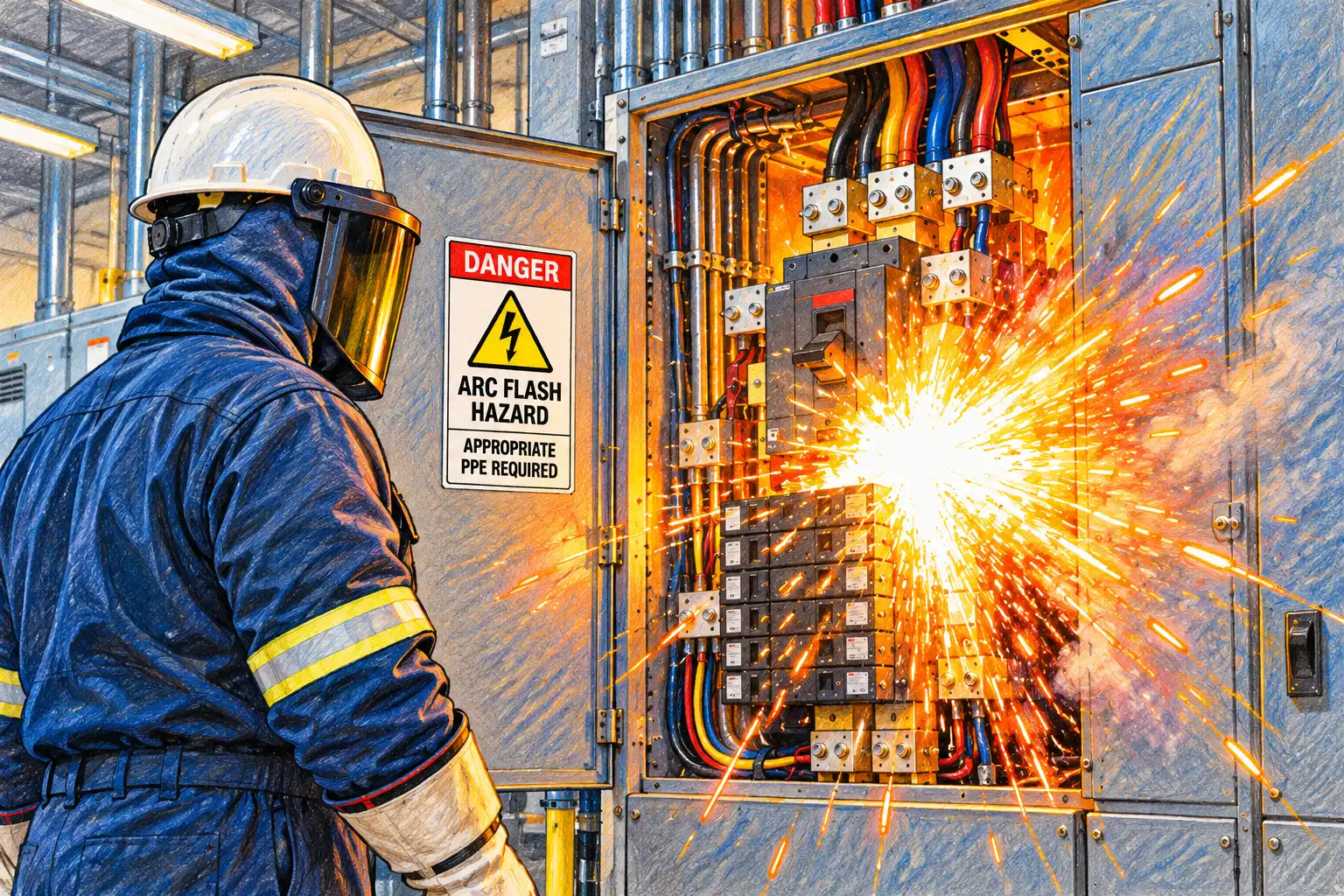
An arc flash is a sudden release of energy caused by an electrical arc. Depending on the circumstances, it can produce extreme heat, intense light, pressure, and flying debris.
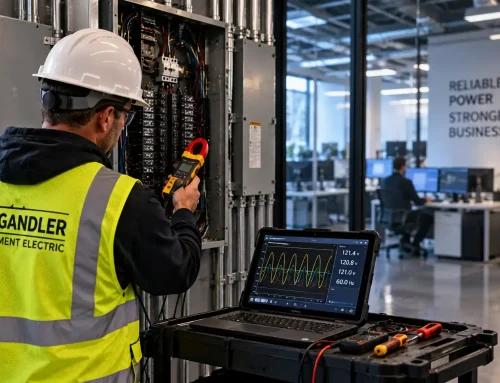
For businesses searching for Eric Gandler Clifton Park commercial electrical services, Development Electric provides experienced electrical troubleshooting, maintenance, installations, and system upgrades throughout Clifton Park and the Capital Region.
Understanding arc flash hazards can help business owners and facility managers recognize why electrical equipment should only be serviced by properly qualified professionals.
What Is an Electrical Arc Flash?
An arc flash occurs when electrical current travels through the air between conductors or between a conductor and ground.
Under certain conditions, this can release a tremendous amount of energy in a very short period.
Arc flash incidents can result in serious injuries, equipment damage, and business interruptions.
The severity of an incident depends on several factors, including the available fault current, how quickly protective devices operate, and the distance between a person and the arc.
Where Can Arc Flash Hazards Exist?
Arc flash hazards can be present in various types of energized electrical equipment.
Commercial and industrial facilities may have equipment such as:
- Electrical distribution panels
- Switchgear
- Motor control centers
- Industrial machinery
- Electrical disconnects
- Transformers and associated equipment
- Large electrical service equipment
- Power distribution systems
The presence of electrical equipment doesn’t automatically mean every task presents the same level of risk. Hazards must be evaluated based on the equipment, operating conditions, and work being performed.
What Can Cause an Arc Flash?
An electrical arc can occur for several reasons.
Potential contributing factors include:
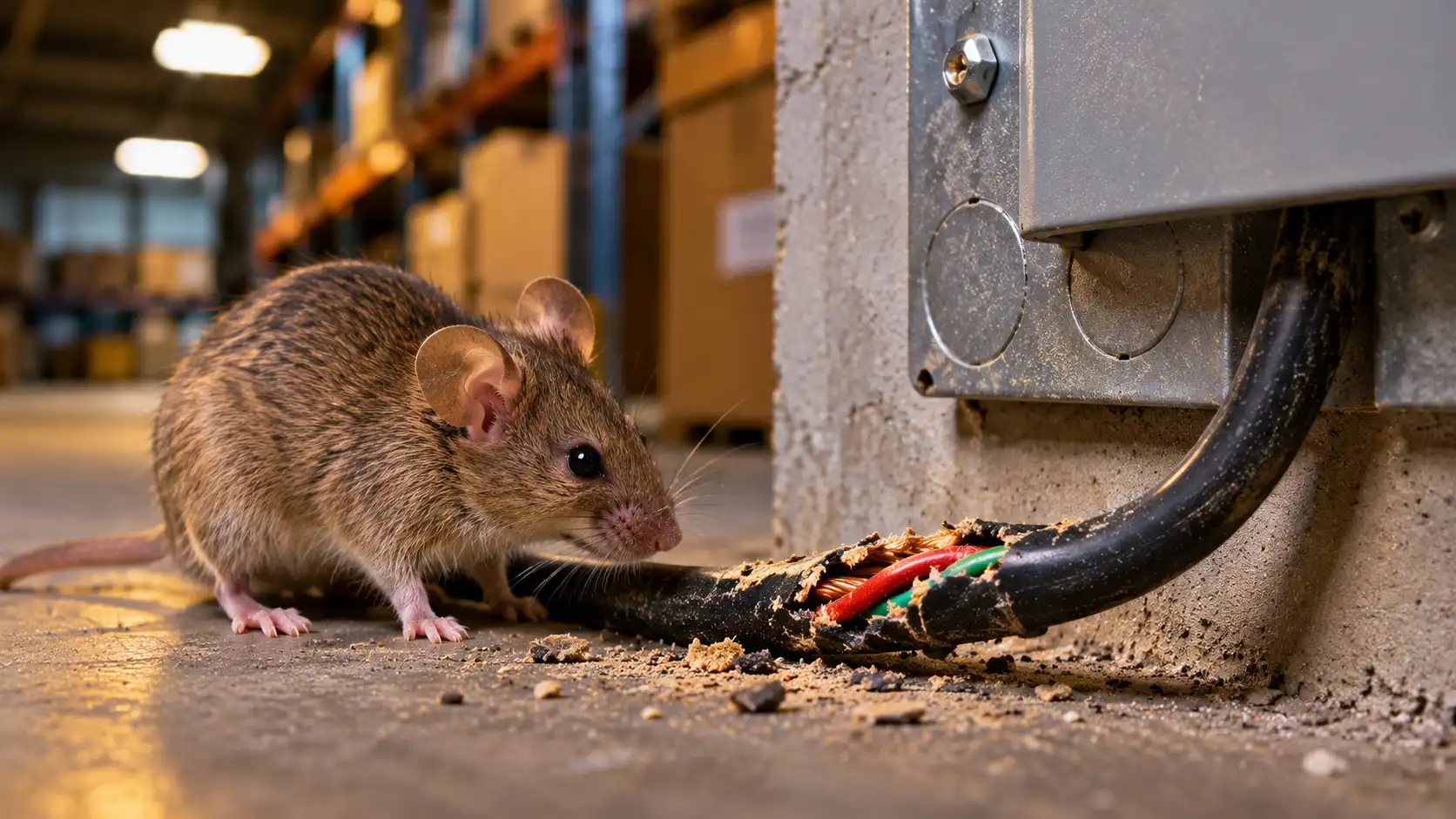
- Damaged electrical insulation
- Loose or deteriorated connections
- Equipment failures
- Contamination or moisture
- Improper electrical work
- Accidental contact with energized components
- Inadequate equipment maintenance
Some incidents occur during maintenance or troubleshooting, particularly when workers are exposed to energized electrical components.
This is one reason proper electrical safety procedures are essential.
Why Commercial Electrical Maintenance Matters
Electrical equipment experiences wear over time.
Connections can loosen, components can deteriorate, and environmental conditions can affect electrical installations.
Preventative maintenance can help identify developing problems before they contribute to equipment failures.
For commercial facilities with substantial electrical infrastructure, maintenance planning may include inspections, testing, equipment evaluations, and appropriate corrective work.
The specific maintenance requirements depend on the equipment and facility.
What Is an Arc Flash Risk Assessment?
An arc flash risk assessment evaluates the hazards associated with particular electrical equipment and work activities.
Depending on the facility, the assessment may involve determining whether an arc flash hazard exists, estimating potential severity, and identifying appropriate protective measures.
For certain electrical systems, an incident energy analysis may be performed to calculate potential arc flash exposure at specific equipment locations.
These evaluations should be performed by appropriately qualified professionals using recognized electrical safety practices.
Why Are Arc Flash Warning Labels Important?
You may have noticed warning labels on commercial electrical panels or switchgear.
These labels can communicate important electrical hazard information to qualified personnel.
Depending on the equipment and applicable requirements, labels may identify nominal voltage, arc flash boundaries, incident energy information, or other relevant safety details.
Labels should reflect the applicable assessment and equipment conditions.
If a commercial facility has undergone significant electrical modifications, existing hazard information may need to be reviewed.
Personal Protective Equipment Is Only Part of Electrical Safety
Electrical workers may need specialized personal protective equipment when performing tasks involving arc flash exposure.
Depending on the assessed hazard, this can include arc-rated clothing, face protection, gloves, and other protective equipment.
However, PPE isn’t the first or only method of controlling electrical hazards.
Whenever feasible, establishing an electrically safe work condition is a fundamental part of electrical safety.
Proper planning, equipment isolation, lockout/tagout procedures, and verification of the absence of voltage are important measures performed by qualified personnel.
Older Buildings May Have Changing Electrical Risks
Commercial properties often undergo years of modifications.
New machinery is installed, electrical panels are upgraded, equipment is relocated, and electrical demand increases.
These changes can affect the characteristics of the electrical distribution system.
For example, modifications to available fault current or protective devices may influence arc flash incident energy.
This is why significant electrical changes should be evaluated as part of the facility’s overall electrical safety planning.
Electrical Safety Is Also a Business Continuity Issue
An electrical incident can have consequences beyond the immediate equipment involved.
Depending on the facility, a serious electrical failure may interrupt:
- Manufacturing operations
- Refrigeration
- HVAC systems
- Computer networks
- Commercial machinery
- Building lighting
- Other essential operations
Repairing damaged electrical equipment can also require substantial downtime.
For businesses that depend on continuous operations, preventative electrical maintenance and appropriate safety planning are important parts of managing risk.
When Should a Business Review Its Electrical Safety Practices?
Commercial property owners and facility managers may want to review electrical safety practices when:
- Major electrical upgrades are planned
- New industrial equipment is installed
- Electrical distribution systems are modified
- Existing equipment shows signs of deterioration
- Electrical maintenance procedures are being updated
- Arc flash labels are missing or outdated
- The facility has experienced electrical equipment failures
A qualified electrical safety professional can help determine what assessments and protective measures are appropriate.
Eric Gandler Clifton Park Commercial Electrical Services
Arc flash hazards demonstrate why commercial electrical work requires proper training, planning, and professional experience.
Businesses searching for Eric Gandler Clifton Park commercial electrical services can turn to Development Electric for more than 25 years of commercial and industrial electrical experience.
Eric Gandler Development Electric provides commercial electrical troubleshooting, preventative maintenance, panel and service upgrades, power distribution, equipment connections, electrical installations, and system improvements throughout Clifton Park and the Capital Region.
Whether your facility operates industrial machinery, maintains a large electrical distribution system, or is planning an electrical upgrade, keeping electrical infrastructure in good condition is an important part of workplace safety.
Need commercial electrical service in Clifton Park? Call Eric Gandler Development Electric at 518-365-1583 to discuss your facility’s electrical needs.