Expert guidance for Clifton Park businesses from Eric Gandler, Clifton Park
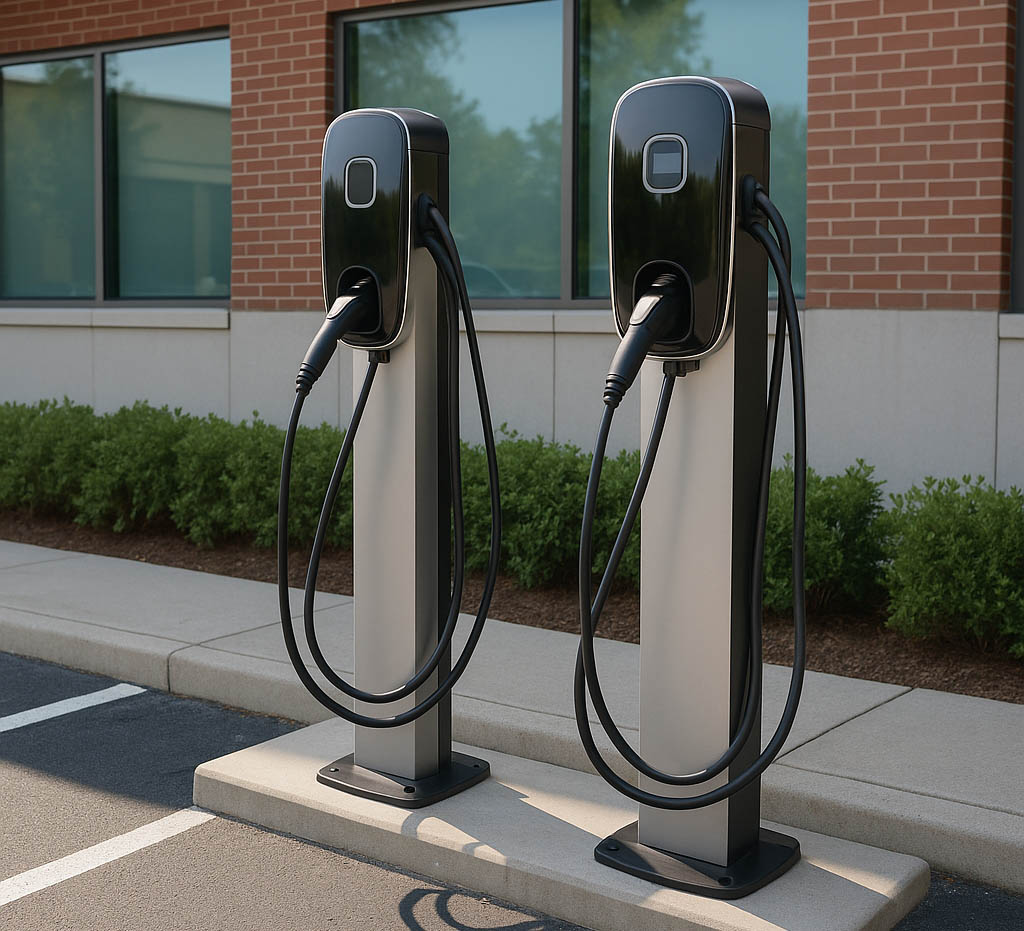
Electric vehicles (EVs) are no longer the future—they’re the present. With more drivers switching to EVs each year, commercial properties across Clifton Park and the Capital Region are adding EV charging stations to attract customers, support employees, and increase property value.
But installing EV chargers requires planning, electrical expertise, and a clear understanding of your building’s capacity. Whether you’re operating a retail plaza, office building, hotel, restaurant, or multi-unit complex, here’s what you need to know before installing EV charging stations—according to local electrical expert Eric Gandler.
⚡ Why More Businesses Are Installing EV Charging Stations
EV charging is becoming a business advantage, not just a convenience.
Benefits include:
-
Attracting customers who prefer businesses with accessible charging
-
Supporting employees who drive EVs
-
Increasing property value for commercial real estate
-
Taking advantage of state and federal incentives
-
Positioning your business as environmentally responsible
-
Staying competitive as more companies adopt EV infrastructure
In growing regions like Clifton Park, offering EV charging can help your business stand out.
⚡ 1. Understand the Different Types of EV Chargers
Before installation, you need to know which charger level suits your building.
Level 1 Charging (120V)
-
Slowest option — adds about 3–5 miles per hour
-
Uses a standard outlet
-
Best for small workplaces or overnight charging
Level 2 Charging (240V)
-
Most common for commercial use
-
Adds 12–25 miles per hour
-
Ideal for businesses, retail centers, hotels, office buildings
Level 3 Charging (DC Fast Charging)
-
Adds 60–200+ miles in under an hour
-
Requires heavy electrical capacity
-
Best for travel centers, car dealerships, fleet operations
Eric Gandler typically recommends Level 2 chargers for most Clifton Park businesses due to their balance of speed, affordability, and practicality.
⚡ 2. Assess Your Electrical Capacity Before Installing
One of the biggest mistakes businesses make is skipping a load calculation before installation.
EV chargers draw significant power. Your existing panel may not support them without upgrades.
Your building may need:
-
A panel upgrade
-
Additional breakers
-
A new dedicated circuit
-
A service upgrade from the utility
-
Trenching and conduit installation for outdoor units
A professional electrical assessment ensures your building can safely support the charger without causing overloads or outages.
⚡ 3. Consider Your Ideal Location for EV Chargers
Placement matters—for convenience, compliance, and safety.
When choosing a location, consider:
-
Visibility for customers
-
Proximity to parking spaces
-
Distance from the electrical room (shorter runs = lower cost)
-
ADA accessibility requirements
-
Lighting and security
-
Snow removal paths in Clifton Park winters
Proper siting reduces installation costs and improves usability.
⚡ 4. Understand Permits and Code Requirements
New York State requires licensed electricians to handle EV charger installations.
Your project may also require:
-
Local permitting
-
NEC-compliant dedicated circuits
-
Proper grounding and surge protection
-
Outdoor-rated wiring and enclosures
-
Load management systems for multiple chargers
Eric Gandler is experienced with New York electrical code compliance and local permitting, helping Clifton Park businesses avoid delays and inspection problems.
⚡ 5. Explore Incentives and Rebates
Many businesses don’t realize how much money they can save through incentives.
Programs may include:
-
Federal tax credits
-
NYS Clean Energy rebates
-
Utility company incentives (such as National Grid programs)
-
Grants for commercial EV infrastructure
These incentives can dramatically lower installation costs—sometimes covering up to 50% of the project.
⚡ 6. Decide Whether You Want Smart Chargers
Smart chargers allow businesses to monitor and control usage.
Benefits include:
-
Usage tracking
-
Load management
-
Remote monitoring
-
Access control (public vs. private use)
-
Pay-to-charge payment options
Large properties often benefit from smart charging networks for better control and reporting.
⚡ 7. Plan for Future Expansion
EV adoption is rising fast. Installing just one charger today may not meet your needs in two years.
Businesses should plan infrastructure that allows:
-
Additional circuits
-
Future conduit paths
-
Load management systems
-
Panel capacity for expansion
Future-proofing now saves money later.
🔧 How Eric Gandler Helps Businesses Install EV Chargers
Clifton Park businesses rely on Eric Gandler for:
-
Electrical load analysis
-
Site planning and layout
-
Code-compliant installation
-
Panel and service upgrades
-
Smart charger integration
-
Utility coordination
-
Rebate and incentive guidance
-
Long-term maintenance
His commercial expertise ensures your EV charging station is installed safely, efficiently, and ready for long-term use.
Final Thoughts
Installing EV chargers is one of the smartest upgrades a business can make in 2025. With the right planning, equipment, and electrical expertise, your property can attract more customers, support employees, and stay competitive in a rapidly changing market.